
- The common mistake is not just staying up late. It is shifting both bedtime and wake time so far on Friday and Saturday that Monday feels like a mini jet lag. (ncbi.nlm.nih.gov)
- For most adults, the target is still at least 7 hours of sleep and a weekend schedule that stays within about an hour of weekday timing. (cdc.gov)
- Use the article’s 60-30-20 Reset: keep weekend wake time within 60 minutes, turn screens off 30 minutes before bed, and cap naps at 20 minutes. (nhlbi.nih.gov)
- If you regularly wake unrefreshed, doze during the day, snore loudly, or wake gasping, do not assume this is just a schedule problem. (nhlbi.nih.gov)
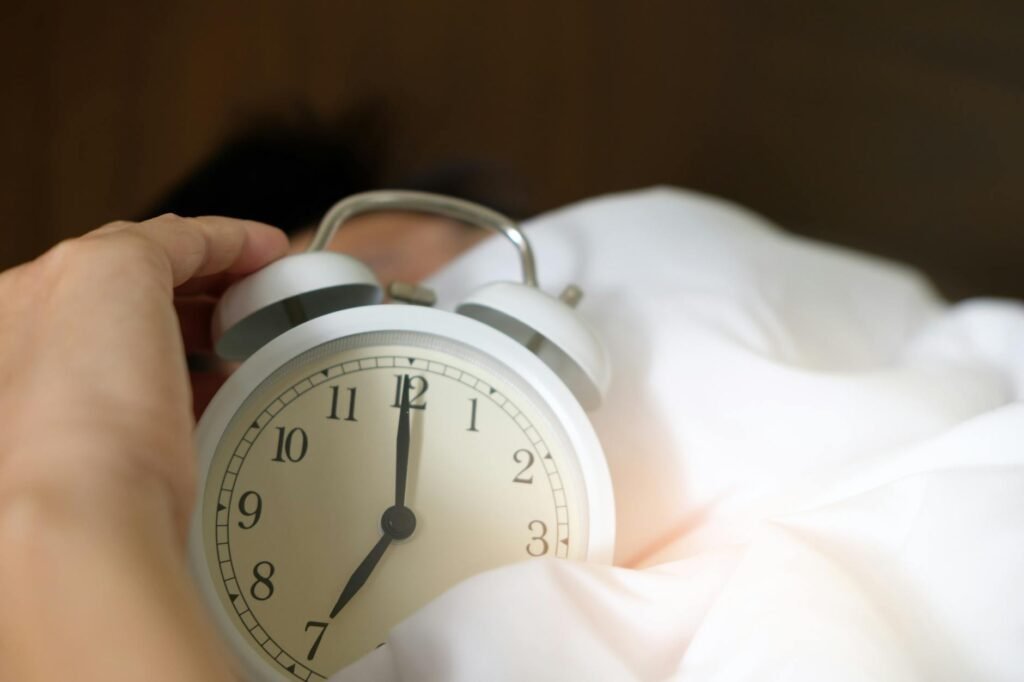
The Monday crash often gets blamed on motivation, bad coffee, or an ugly inbox. But one of the most common causes starts on the weekend: a later bedtime plus a big sleep-in that pushes your body clock later. By Monday, the alarm may be asking you to function before your internal schedule is ready, which is why the morning can feel weirdly hostile even if you spent more time in bed. (ncbi.nlm.nih.gov)
This matters beyond mood. The CDC says most adults need at least 7 hours of sleep, and the NHLBI advises keeping weekday and weekend schedules close, with the gap limited to about an hour. Sleep deficiency can hurt alertness, reaction time, work performance, driving, and daily functioning. In real life, that often spills into convenience spending, late starts, and avoidable workweek mistakes. (cdc.gov)

This article is for general information and is not medical advice. If sleepiness affects driving or work safety, if you snore loudly or wake gasping, or if sleep problems keep disrupting daily life, talk with a licensed clinician or sleep specialist. (nhlbi.nih.gov)
The real mistake: weekend drift
The problem is not one late night. The problem is weekend drift: you go to bed later, wake later, get late-evening light, and then expect Sunday night to snap you back into a workweek rhythm. Your body’s circadian clock responds to light, darkness, and timing cues. Late bright light can disrupt melatonin signaling, and inconsistent timing can push your sleep-wake cycle out of sync with work or school demands. (nhlbi.nih.gov)
That is why someone who sleeps from 1:00 a.m. to 9:30 a.m. on both weekend days can still feel wrecked by a 6:00 a.m. Monday alarm. NIH educational material describes a version of this Monday-morning problem in which later weekend sleep shifts the internal clock behind the usual weekday schedule. In plain English, you created a small jet-lag problem without leaving town. (ncbi.nlm.nih.gov)
Use the 60-30-20 Reset
If you want one tool to remember, use the 60-30-20 Reset. It is simple enough to use on Friday night and specific enough to change Monday.
- 60: Keep your weekend wake time within 60 minutes of your usual weekday wake time. The NHLBI specifically advises limiting the weeknight-weekend difference to about an hour. (nhlbi.nih.gov)
- 30: Turn off or step away from phones, laptops, and other bright screens at least 30 minutes before bed. The CDC includes this in its basic sleep guidance. (cdc.gov)
- 20: If you need a rescue nap, keep it earlier in the afternoon and no longer than 20 minutes. Longer or late naps can make it harder to fall asleep that night. (nhlbi.nih.gov)
The above paragraph does not contain any magical formulas. Instead, it contains rules for controlling damage done to the weekend and its drift that can gradually bring back track time to normalcy. If your weekend is already two or three hours off, implementing all three numbers will not bring your entire weekend back to normal quickly, but they will keep you from having as much difficulty on Sunday night at the end of your weekend.
A realistic example, with the money angle
Consider Maya, who starts work at 8:00 a.m. and normally wakes at 6:15. On Friday she stays up until 12:30 a.m. and sleeps until 9:15. On Saturday she repeats it. Sunday night, she tries to force a 10:30 bedtime but is not sleepy enough, lies awake, and hits snooze three times Monday. She misses her usual train and spends $24 on a ride-share, $11 on coffee and breakfast, and $17 on lunch because she forgot to pack food. If this happens just twice a month, that is $52 for a bad Monday, or $1,248 a year, before you even count lost focus or unpaid time if she clocks in late.
The point is not that every rough Monday will cost exactly that much. The point is that sleep inconsistency often shows up as convenience spending and lower-margin decisions. When you are under-slept or misaligned, speed starts to feel more valuable than thrift. The NHLBI notes that sleep deficiency can reduce productivity, slow reaction time, and increase mistakes. (nhlbi.nih.gov)

Quick decision table
| Your weekend pattern | What Monday usually feels like | Best next move |
|---|---|---|
| Bedtime and wake time stay within about 1 hour of weekdays. (nhlbi.nih.gov) | Usually manageable unless you are already sleep deprived. | Keep the routine and protect total sleep time. |
| One late night, but Saturday or Sunday wake time stays fairly close to normal. | Mild drag, often fixable with a normal Sunday evening and morning light. | Do not sleep deep into Sunday. Get outside earlier in the day and keep Monday wake time fixed. (cdc.gov) |
| Both weekend nights shift 2 or more hours later than usual. | High odds of a brutal Monday because your body clock and work clock are out of sync. (ncbi.nlm.nih.gov) | Use the 60-30-20 Reset immediately and expect one or two disciplined mornings, not one heroic Sunday night. |
| You need huge weekend sleep-ins because weekdays are consistently short. | Monday may stay rough even if timing improves. | Fix sleep quantity first. Many people cannot fully catch up on the weekend if the weekly deficit is large. (ninds.nih.gov) |
| You work rotating shifts, travel often, or care for a newborn at night. | Standard advice may not fit cleanly. | Aim for overlap rather than perfection, keep lights dim at night if possible, and get tailored medical advice if daytime sleepiness persists. (nhlbi.nih.gov) |
A Sunday reset that actually helps
Most people fail here by trying to fix a drifting weekend with one extreme Sunday night. A steadier reset works better.
- Start with Monday, not Friday. Pick the wake time you need for work or school, and let the weekend version move no more than about 60 minutes later. (nhlbi.nih.gov)
- Get outdoor light earlier in the day on Saturday and Sunday. The CDC suggests natural light, especially earlier in the day, and the NHLBI notes that bright light is one of the cues that helps shift the body clock. (cdc.gov)
- If the week left you exhausted, add sleep by moving bedtime earlier, not by sleeping until noon. The NINDS notes that weekend catch-up sleep may not be enough to replace a larger sleep debt. (ninds.nih.gov)
- Keep naps short and early. If you nap because you are dragging on Sunday, stop at 20 minutes. (nhlbi.nih.gov)
- On Sunday evening, reduce bright light and power down devices at least 30 minutes before bed. Bright artificial light late in the evening can disrupt melatonin signaling. (cdc.gov)
- Skip the usual sleep saboteurs late in the day: caffeine, alcohol, and heavy meals. The CDC and NHLBI both flag these as common sleep disruptors. (cdc.gov)
- Make Monday morning boring and repeatable. Alarm across the room, clothes ready, breakfast decided, bag packed. That is not sleep science. It is friction control. When your brain is foggy, fewer decisions help.
If your weekend ran late, start nudging your schedule back earlier on Sunday morning instead of expecting a three-hour correction at bedtime. The NHLBI notes that circadian shifts are often handled gradually, with light exposure used as a cue. (nhlbi.nih.gov)
Common mistakes that make Monday worse
- Treating weekend sleep as a free-for-all, then expecting Sunday night to behave normally.
- Keeping a stable bedtime but letting wake time swing by two or three hours. The wake-time swing is often what punishes Monday most.
- Using a long late-afternoon nap as a patch. The NHLBI recommends brief naps and earlier timing for adults. (nhlbi.nih.gov)
- Relying on alcohol to knock you out. The CDC and NHLBI advise avoiding alcohol close to bedtime. (cdc.gov)
- Assuming more coffee fixes the issue. Caffeine later in the day can make it harder to fall asleep the next night. (nhlbi.nih.gov)
- Ignoring loud snoring, gasping, or constant unrefreshing sleep. Those are reasons to get evaluated, not to double down on hacks. (nhlbi.nih.gov)
When consistency alone won’t solve it
Sometimes the schedule is not the whole story. If you are sleeping late every weekend because you only give yourself six hours on weeknights, the first repair is more total sleep opportunity. The CDC says most adults need at least 7 hours, and the NINDS notes that weekend catch-up may not fully replace missed sleep. (cdc.gov)
There are also cases where “just be consistent” is too simplistic. Shift workers may need overlapping sleep windows rather than an identical schedule every day. New parents may need to keep nighttime light as dim as possible. People with a naturally later body clock may need a more gradual shift and more deliberate morning light. The NHLBI notes that some people naturally stay up later than others and that circadian changes are often managed gradually, with light used as a cue. (nhlbi.nih.gov)
If you regularly feel sleepy during the day, doze during routine tasks, wake unrefreshed, snore loudly, or wake gasping, do not stop at a weekend reset plan. The NHLBI recommends telling your doctor about symptoms like these and suggests bringing a sleep diary to the appointment. Chronic insomnia is generally defined as difficulty falling or staying asleep at least three nights a week for three months or longer. (nhlbi.nih.gov)
If Monday fatigue is strong enough that you could nod off while driving, treat that as a safety issue, not a routine annoyance. Sleep deficiency can impair driving and cause microsleeps. (nhlbi.nih.gov)
How to verify that the advice is working
Do not rely on vibes. Run a two-week sleep audit. The CDC and NHLBI both suggest a sleep diary that tracks bedtimes, wake times, nighttime awakenings, naps, caffeine, alcohol, exercise, and medications. (cdc.gov)
- Record your bedtime and wake time for every day.
- Mark the weekend gap between your usual weekday wake time and your actual wake time.
- Note caffeine after lunch, alcohol at night, and any Sunday nap.
- Track three Monday outcomes: how many snoozes you hit, whether you feel safe to drive, and whether fatigue triggered convenience spending.
- After two weeks, look for a pattern: when the wake-time gap stays tighter, does Monday improve?
This kind of audit matters because doctors do not always spot sleep problems during a routine office visit. If your diary shows persistent problems despite a tighter schedule, bring it to a clinician. (nhlbi.nih.gov)
Bottom line
The weekend mistake that makes Monday feel brutal is usually not having fun. It is drifting your sleep schedule so far later that your body clock and your obligations stop matching. Protect wake time first, keep the weekend gap close to an hour, use the 60-30-20 Reset, and treat persistent daytime sleepiness as something worth checking, not as normal adult life. (nhlbi.nih.gov)
FAQ
Is sleeping in on Saturday always a problem?
No. The issue is the size of the shift. The NHLBI recommends keeping weeknight and weekend schedules within about an hour. A small sleep-in is different from moving your whole schedule by two or three hours. (nhlbi.nih.gov)
Can I fix Monday by going to bed extra early on Sunday?
Sometimes you will feel sleepy enough, but many people will not if they slept late over the weekend. Your body clock and sleep pressure may not be ready yet. A better plan is a smaller weekend gap, morning light, and less bright light Sunday night. (nhlbi.nih.gov)
What if I truly need the weekend to catch up on sleep?
That usually means the weekday plan is too short. Most adults need at least 7 hours, and the NINDS says weekend catch-up may not fully replace missed sleep when the deficit is larger. (cdc.gov)
Should I nap on Sunday if I am exhausted?
If you need one, keep it brief and earlier in the afternoon. The NHLBI says adults should nap for no more than 20 minutes if naps are making it harder to sleep later. (nhlbi.nih.gov)
When is Monday misery a medical issue?
Talk with a clinician if you regularly wake unrefreshed, feel sleepy during the day, doze during routine tasks, snore loudly, wake gasping, or have trouble falling or staying asleep at least three nights a week for three months. A sleep diary can help the visit. (nhlbi.nih.gov)
What if I work shifts or travel often?
Perfect consistency may be unrealistic. The NHLBI suggests overlapping days-off sleep with workday sleep for shift workers and using gradual schedule changes plus bright light when adjusting to new timing. (nhlbi.nih.gov)
References
- CDC: About Sleep – https://www.cdc.gov/sleep/about/index.html
- CDC: About Sleep and Your Heart Health – https://www.cdc.gov/heart-disease/about/sleep-and-heart-health.html
- NHLBI: Healthy Sleep Habits – https://www.nhlbi.nih.gov/health/sleep-deprivation/healthy-sleep-habits
- NHLBI: What Makes You Sleep? – https://www.nhlbi.nih.gov/health/sleep-deprivation/body-clock
- NHLBI: Sleep Deprivation and Deficiency Diagnosis – https://www.nhlbi.nih.gov/health/sleep-deprivation/diagnosis-treatment
- NHLBI: Circadian Rhythm Disorders Causes and Risk Factors – https://www.nhlbi.nih.gov/health/circadian-rhythm-disorders/causes
- NINDS: Brain Basics: Understanding Sleep – https://www.ninds.nih.gov/health-information/public-education/brain-basics/brain-basics-understanding-sleep
- NCBI Bookshelf: Information about Sleep – https://www.ncbi.nlm.nih.gov/books/NBK20359/