
- Run the NIGHT Audit: Noise, Illumination, Gear, Heat, and Tech/timing.
- Start with the cheapest likely trigger first: a dark room, a quiet room, a cool room, fewer electronics, and no visible clock. (nhlbi.nih.gov)
- Use the 14-Night / $200 Rule before you buy a mattress, gadget, or sleep supplement.
- Adults ages 18 to 60 generally need 7 or more hours of sleep, and repeated waking is one sign of poor sleep quality. (cdc.gov)
- If you snore loudly, wake gasping, or still struggle after two weeks of room changes, talk with a clinician. (nhlbi.nih.gov)
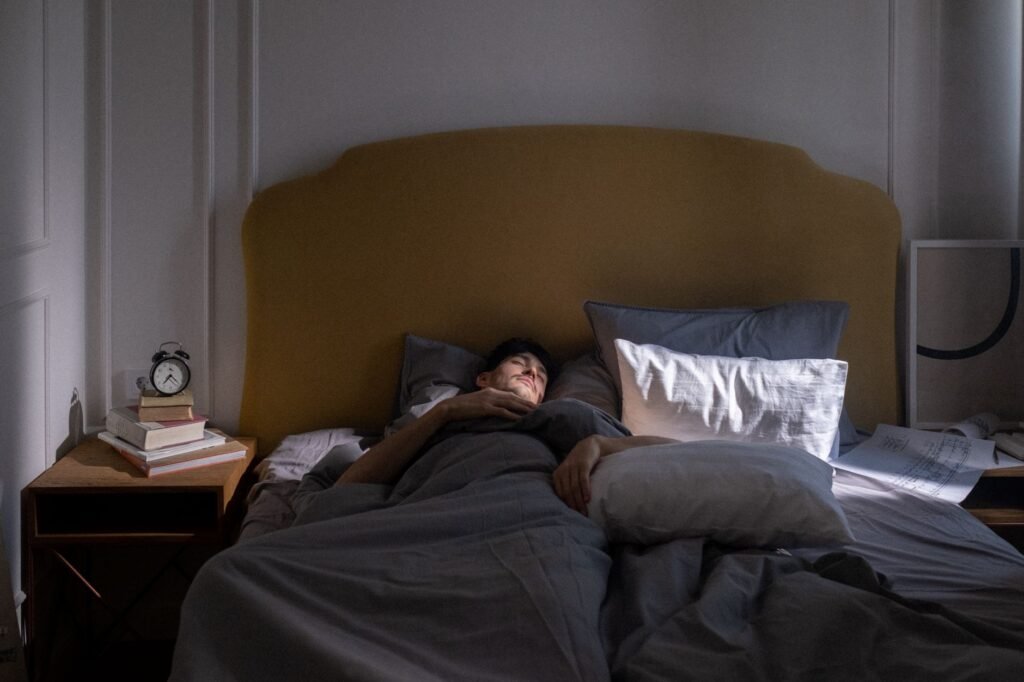
If you wake up at 1:47 a.m., then again at 3:18, and then spend the last hour of the night half-asleep and irritated, it is easy to blame stress or assume you are just a bad sleeper. But the room itself is often part of the problem. In 2024, 30.5% of U.S. adults slept less than 7 hours on average, and the CDC says adults ages 18 to 60 generally need 7 or more hours a night. The CDC also treats repeated night waking as a sign of poor sleep quality. (cdc.gov)
Purchasing the biggest fix first is the worst financial error. The common mistake made by most everyone is they purchase a brand new mattress or an expensive smart device or the whole slew of bedroom sleep products before they have any idea what is actually causing them to wake up. Instead of that, a much better approach would be to conduct a bedroom audit the same way you would a bill audit. Identify the cause of your sleep disruption, and then do your best to fix it cheaply before moving on to more expensive options that may work but didn’t resolve completely your sleep issues.
The NIGHT Audit: a 10-point score for repeated wake-ups
Give each category 0, 1, or 2 points. A 0 means it is probably not the issue. A 1 means it could be contributing. A 2 means it is an obvious or repeated trigger. These categories are built around the room conditions official sleep guidance keeps returning to: a quiet, dark, cool, comfortable space with fewer electronics and fewer bedtime disruptors. (nhlbi.nih.gov)
| Audit area | What to look for | Cheapest test | Spend more only if |
|---|---|---|---|
| Noise | Traffic, HVAC cycling, barking, door noise, or sudden sounds. MedlinePlus advises making the room as quiet as possible and notes that a fan or sound machine can help create steady background noise. (medlineplus.gov) | Try a fan, earplugs, white noise, or a different room layout. | You still improve with noise control, but not enough. Then look at seals, curtains, or window upgrades. |
| Illumination | Phone screens, TV glow, alarm-clock glare, hallway light, or dawn light. NHLBI says late-evening artificial light can interfere with melatonin, and official guidance recommends a dark bedroom. (nhlbi.nih.gov) | Cover LEDs, turn the clock away, move the phone, block light under the door, or use a sleep mask. | Light control clearly helps and you need a more durable solution such as blackout curtains or shades. |
| Gear | A lumpy mattress, wrong pillow height, or bedding that traps heat. MedlinePlus notes that a mattress that is lumpy, too soft, or too hard can make it hard to get comfortable enough for sleep. (medlineplus.gov) | Rotate the mattress if appropriate, test a different pillow, remove one bedding layer, or change blanket weight. | Pain or pressure-point waking continues after smaller bedding changes. |
| Heat | A room that feels warm, stuffy, or cold at 2 a.m. The CDC and NHLBI both recommend a cool bedroom. (cdc.gov) | Adjust the thermostat schedule, add a fan, change bedding, or improve airflow. | Temperature control helps, but the room still drifts badly enough to need HVAC or insulation work. |
| Tech/timing | Phone notifications, visible clock checking, late caffeine, alcohol near bedtime, or an inconsistent sleep schedule. The CDC advises turning off devices at least 30 minutes before bed and avoiding caffeine in the afternoon or evening, and NHLBI says alcohol close to bedtime can make sleep lighter and increase night waking. (cdc.gov) | Use an analog alarm clock, move the phone out of the room, and set a firm caffeine and alcohol cutoff. | You are following the basics consistently and still waking often. |
How to read the score: 0 to 3 means the bedroom may not be the main culprit. A 4 to 6 means the room is likely contributing and low-cost fixes deserve a real trial. A 7 to 10 means your bedroom setup is probably a major factor. A simple spending rule for this topic is the 14-Night / $200 Rule: do not spend more than $200 on bedroom changes until you have tested the basic triggers for two full weeks. That can prevent a lot of expensive guesswork.
What each NIGHT category is really telling you
Noise
Noise is often intermittent, which is why people underestimate it. If you wake around the same time most nights, listen for the refrigerator cycling, a vent turning on, a neighbor’s late arrival, or an early alarm elsewhere in the home. Start with the cheapest reversible fix: earplugs, a fan, steady background sound, or shifting the bed away from the noisiest wall. MedlinePlus specifically recommends making the room as quiet as possible and says a fan or sound machine can help. (medlineplus.gov)
Illumination
Light is one of the clearest room-level suspects because it is easy to miss until you view the bedroom from the pillow. NHLBI says artificial light in the late evening can interfere with melatonin release, and official guidance consistently recommends a dark bedroom and less screen exposure before bed. Translate that into practical tests: cover or unplug LEDs, move the phone out of arm’s reach, turn the alarm face away, block hallway light under the door, and test blackout curtains or a sleep mask before you buy anything bigger. (nhlbi.nih.gov)
Gear
This is the category people tend to overspend on because it feels tangible. Sometimes the mattress really is the problem. If you wake because your shoulder, hip, neck, or lower back hurts, comfort deserves attention. But go smaller first. MedlinePlus notes that a mattress that is lumpy, too soft, or too hard can make it difficult to get comfortable enough for sleep. That still does not mean buy a whole new bed tonight. Try a different pillow height, rotate the mattress if the manufacturer allows it, remove one overheating layer, or change blanket weight for three nights before pricing a replacement. (medlineplus.gov)
Heat and airflow
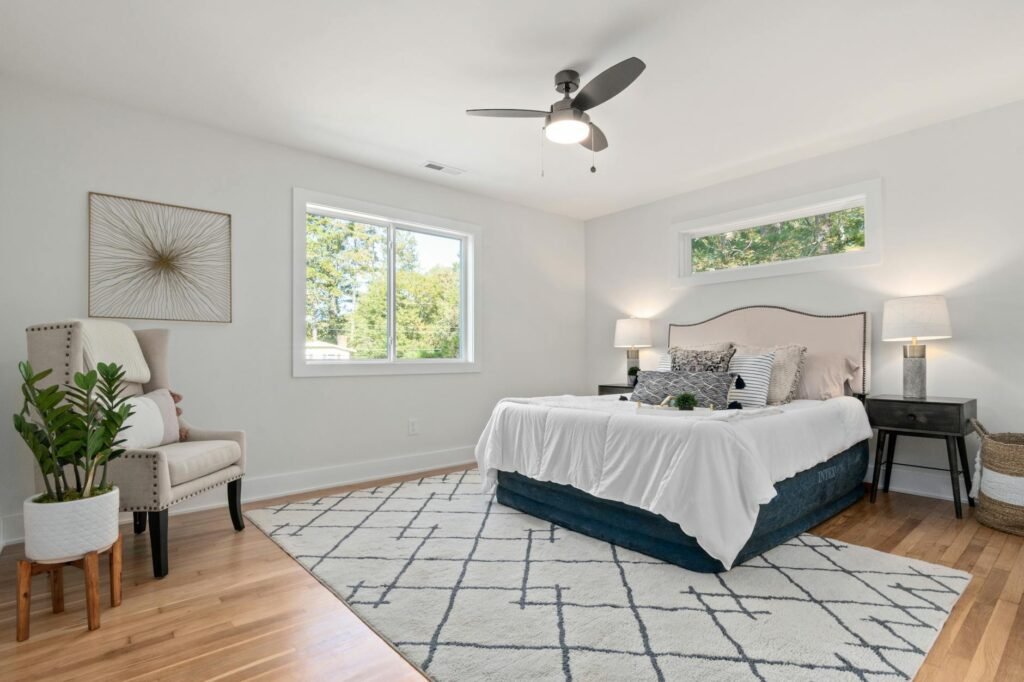
Temperature is where sleep advice and household economics meet. The CDC and NHLBI recommend a cool bedroom, and the Department of Energy says homeowners can save as much as 10% a year on heating and cooling by setting the thermostat back 7 to 10 degrees for 8 hours a day, although actual savings depend on climate and equipment. So if your room runs hot at night, a scheduled setback, better airflow, a fan, or lighter bedding may help both comfort and utility costs. One important limit: the DOE says standard programmable-thermostat setback is generally not recommended for heat pumps in heating mode, so do not assume the same strategy fits every system. (cdc.gov)
Tech and timing
A bedroom audit should include what happens in the room, not just what sits in it. The CDC advises turning off electronic devices at least 30 minutes before bedtime and avoiding caffeine in the afternoon or evening. NHLBI also notes that alcohol close to bedtime can make sleep lighter and increase the chance of waking during the night. If you keep waking, do not ignore the boring fixes: no phone in bed, no visible clock, a consistent bedtime, and a firm cutoff for caffeine and alcohol. (cdc.gov)
A realistic example: fixing the room before buying a mattress
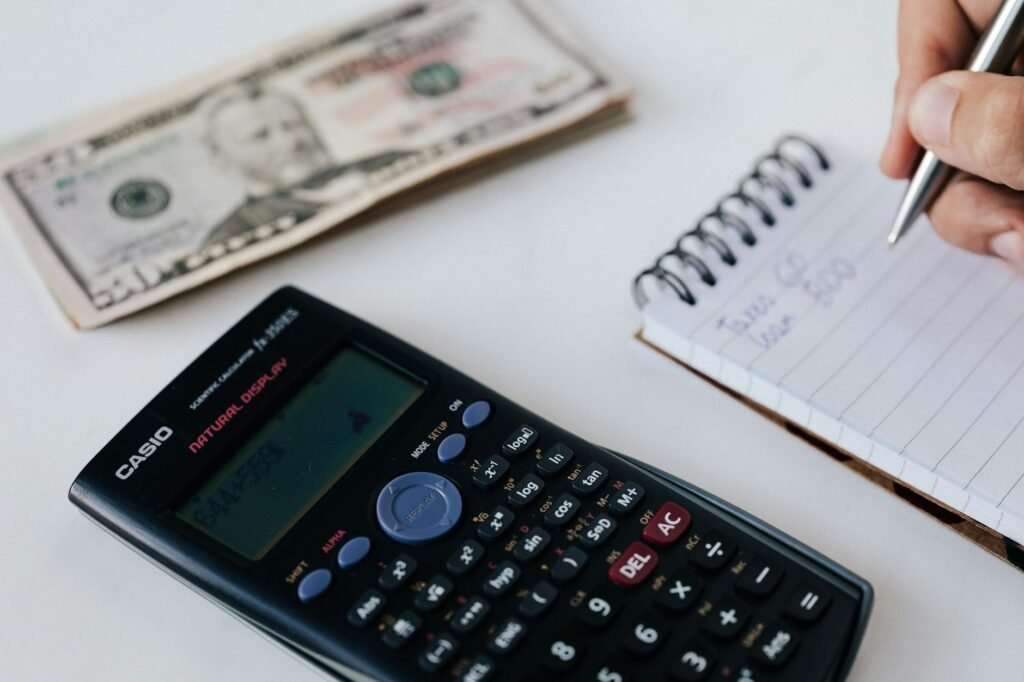
Consider a two-income household with a $250 test budget and annual heating-and-cooling costs of about $1,800. One partner keeps waking at 2:30 a.m. and 4:45 a.m. and is ready to buy a $1,600 mattress. Their NIGHT score is 8 out of 10: noise 1, illumination 2, gear 1, heat 2, tech 2. Instead of making a four-figure guess, they spend $0 moving both phones to the kitchen, $12 on an analog alarm clock, $18 on a sleep mask and earplugs, $45 on blackout liners, and $89 on a programmable thermostat, for a total of $164. If the thermostat strategy captured the DOE’s maximum 10% savings on an $1,800 annual heating-and-cooling bill, that would be about $180 a year, enough to offset the test budget. If the plan does not help after two weeks, they have still learned something useful: the next dollar should go toward diagnosis, not another random purchase. (energy.gov)
Common mistakes that cost money and keep the problem alive
- Buying the most expensive fix first because it feels decisive.
- Changing five variables at once, then having no idea what helped.
- Testing a change for one night and calling it a failure.
- Assuming the thermostat is fine because the room felt okay at 9 p.m., not at 3 a.m.
- Keeping the phone in the room because it doubles as an alarm clock.
- Ignoring loud snoring or gasping and treating it like a décor problem when it can be a sign of sleep apnea. (nhlbi.nih.gov)
If the room is not the whole problem
Sometimes the audit works, and sometimes it explains only part of the problem. If your NIGHT score is low, or your wake-ups continue after you have cleaned up the room, the bedroom may not be the main driver. MedlinePlus notes that insomnia can be linked to stress, emotional distress, travel, shift work, medicines, and other sleep disorders. NHLBI says insomnia is considered chronic when trouble falling or staying asleep happens at least three nights a week for three months or longer. (medlineplus.gov)
This article is informational only and is not medical advice. Talk with a licensed clinician if you wake gasping, snore loudly, feel excessive daytime sleepiness, or your sleep problem is persistent enough to affect daily functioning. Those patterns can point to sleep apnea or chronic insomnia rather than a bedroom setup issue. (nhlbi.nih.gov)
When the room is not enough, the backup plan is not to buy more sleep products. Keep a sleep diary for one to two weeks, bring it to your clinician, and ask whether medications, pain, menopause, mental health stress, or a sleep disorder could be involved. For long-term insomnia, NHLBI says cognitive behavioral therapy for insomnia, or CBT-I, is usually the first treatment option. (nhlbi.nih.gov)
How to verify that your changes actually worked
One good night proves very little. NHLBI and the CDC both recommend a sleep diary that tracks when you go to bed, when you wake during the night, when you get up in the morning, and factors such as exercise, caffeine, and alcohol. Use that guidance to run a 14-night pressure test instead of relying on memory. (nhlbi.nih.gov)
- For 14 nights, record bedtime, final wake time, each overnight awakening, and an estimate of how long you stayed awake.
- Track room-specific details: thermostat setting, fan use, visible light, noise events, bedding used, and whether your phone stayed in the room.
- Also note caffeine, alcohol, and any unusual stress or schedule changes.
- Change only one major variable every three nights so you can tell what is helping.
- Give each morning a Rested Score from 1 to 5. You are looking for fewer awakenings, shorter awake time, or a higher next-morning score.
- If there is no meaningful improvement after 14 nights, stop product-hopping and move to medical evaluation.
This verification step matters because the goal is not a prettier bedroom. It is fewer wake-ups. A fix only counts if it changes the night on paper, not just in your hopes.
Bottom line
Repeated night waking is often a room problem before it is a mattress problem. Audit noise, light, gear, heat, and tech. Spend in that order, not in panic order. If the room scores high, low-cost changes can solve more than people expect. If the room scores low, or the pattern persists, switch from shopping to diagnosis. That is usually the smarter move for both your sleep and your budget. (nhlbi.nih.gov)
Frequently asked questions
How do I know if my mattress is the reason I keep waking up?
Look for a specific pattern: you wake with shoulder, hip, neck, or lower-back discomfort, and the discomfort eases after you get out of bed. MedlinePlus notes that a mattress that is lumpy, too soft, or too hard can make it hard to get comfortable enough for sleep. But test smaller changes first, such as pillow height or bedding layers, before you replace the whole bed. (medlineplus.gov)
Should I buy blackout curtains or a white-noise machine first?
Buy for the higher NIGHT score. If you can see light from the pillow, start with darkness. If you wake to sudden sound spikes, start with noise control. Both are usually cheaper and easier to reverse than buying a new mattress, which is why they belong earlier in the spending order. Official sleep guidance supports a dark, quiet bedroom. (nhlbi.nih.gov)
Can room temperature really wake me up that often?
Yes. Official guidance from the CDC and NHLBI recommends a cool bedroom, and temperature drift is a common room-level trigger people miss because the room feels different at 3 a.m. than it did at bedtime. If the room runs hot or stuffy, test airflow, bedding, and thermostat timing before you assume the problem is your mattress. (cdc.gov)
When should I worry that repeated waking is a medical issue?
Talk with a clinician if the sleep problem affects daily life, if it happens at least three nights a week for three months or longer, or if you wake gasping, snore loudly, or have strong daytime sleepiness. Those signs fit official insomnia and sleep-apnea guidance more than a simple bedroom setup problem. (nhlbi.nih.gov)
What belongs in a sleep diary?
NHLBI and the CDC say to record when you go to bed, wake during the night, wake in the morning, nap, exercise, and use caffeine or alcohol. For a bedroom audit, also add room temperature, bedding, visible light, and noise notes so you can connect the waking pattern to the environment. (nhlbi.nih.gov)
References
- CDC – About Sleep – https://www.cdc.gov/sleep/about/index.html
- CDC National Center for Health Statistics – Short Sleep Duration and Sleep Difficulties Among Adults: United States, 202 – https://www.cdc.gov/nchs/products/databriefs/db559.htm
- NHLBI – Sleep Disorder Treatments – https://www.nhlbi.nih.gov/health/sleep-disorder-treatments
- NHLBI – How Sleep Works: Your Sleep/Wake Cycle – https://www.nhlbi.nih.gov/health/sleep/sleep-wake-cycle
- MedlinePlus – Can’t sleep? Try these tips – https://medlineplus.gov/ency/patientinstructions/000853.htm
- U.S. Department of Energy – Programmable Thermostats – https://www.energy.gov/energysaver/programmable-thermostats
- NHLBI – Insomnia Diagnosis – https://www.nhlbi.nih.gov/health/insomnia/diagnosis
- NHLBI – Insomnia Treatment – https://www.nhlbi.nih.gov/health/insomnia/treatment
- NHLBI – Sleep Apnea Symptoms – https://www.nhlbi.nih.gov/health/sleep-apnea/symptoms
- MedlinePlus – Insomnia – https://medlineplus.gov/insomnia.html