
If good sleep feels like something other people get, the problem may not be your mattress, your self-discipline, or the supplement sitting on your nightstand. In 2024, 30.5% of U.S. adults averaged less than 7 hours of sleep, and CDC guidance says most adults ages 18 to 60 need at least 7 hours. The same CDC guidance also notes that sleep quality matters, not just duration. (cdc.gov)
The mistake behind a lot of miserable nights is simpler than people expect: treating bedtime like a timestamp instead of a sequence. People aim for 10:30 p.m., but they are still answering messages at 10:17, cleaning the kitchen at 10:24, watching one more episode at 10:41, or pouring a nightcap at 10:48. Then they expect sleep to happen on command. Before you spend money on a sleep fix, it is worth fixing that order of operations first.
TL;DR
- The big mistake is starting your bedtime routine at bedtime instead of protecting the last 30 to 60 minutes before it.
- Use the Bedtime Runway Audit in this article to find the friction point that is making sleep harder than it needs to be.
- Test free behavior changes before buying sleep products, supplements, or gadgets.
- If sleep trouble continues despite routine changes, or you have loud snoring, gasping, or major daytime sleepiness, get medical guidance.
The real mistake: starting your routine at bedtime
Your brain and body do not switch from fully alert to asleep just because the clock says 11:00. Official guidance from NHLBI and the CDC points in the same direction: keep a regular sleep schedule, use the hour before bed for quieter activity, reduce bright artificial light from screens, avoid large meals and alcohol before bed, and avoid caffeine late in the day. The CDC also recommends turning off electronic devices at least 30 minutes before bedtime. (nhlbi.nih.gov)
Think of the last hour before bed as a runway. The more stimulation you push into that hour, the more friction you ask sleep to overcome. That includes late work, bright light, doomscrolling, heavy food, and substances people sometimes mistake for help. NHLBI notes that caffeine can affect sleep for up to 8 hours, and alcohol may make it easier to fall asleep at first but can lead to lighter sleep and more waking during the night. (nhlbi.nih.gov)

Use the Bedtime Runway Audit
Use the quick diagnostic tonight. Score each category from 0 to 2 and then sum the scores. The objective of this is not flawless, but rather to identify the category that causes bedtime to require an excessive amount of effort.
| Factor | 2 points | 1 point | 0 points |
|---|---|---|---|
| Timing | Bedtime and wake time usually stay within about 30 minutes. | Some drift, usually 30 to 60 minutes. | Frequent 60+ minute drift or big weekend catch-up. NHLBI suggests keeping weekday and weekend sleep schedules within about an hour. (nhlbi.nih.gov) |
| Light | Lights are dim and devices are off at least 30 minutes before bed. | One quick device check. | TV, laptop, or phone runs right up to bedtime. The CDC recommends turning off electronic devices at least 30 minutes before bed. (cdc.gov) |
| Stimulation | No work, news, arguments, or problem-solving in the last 45 to 60 minutes. | A little loose-end time. | Emails, gaming, scrolling, or admin tasks happen in bed or right before bed. ODPHP advises avoiding computers, smartphones, and even reading in bed when building a better sleep routine, and CBT-I uses the bed-sleep connection on purpose. (odphp.health.gov) |
| Substances and food | No caffeine within 8 hours, no alcohol close to bed, and no heavy late meal. | One mild issue. | Late coffee, energy drink, nightcap, or big meal. (nhlbi.nih.gov) |
| Setup | Bedroom is cool, quiet, dark, and the phone is not by the pillow. | One setup issue. | Bright, noisy, warm room or devices kept in the bedroom. (nhlbi.nih.gov) |
Scores between 8 and 10 indicate there wasn’t too much of a struggle before going to bed. If your total score falls between 5 and 7 this indicates you may have been struggling with getting to sleep during the previous hour on your own or the sleeping product could have contributed to the struggle. A score of 0 through 4 indicates you likely don’t yet need anything special in terms of sleep/wake products. Just focus on creating a cleaner/pre-bedtime routine first using the lowest scoring line items on your tool’s timeline as a stepping stone for success into more advanced/complex sleeping tools.
Build a lower-friction last hour
- T-60: Close tomorrow’s loops. Set out clothes, pack lunch, glance at the calendar, write down the top task for tomorrow, and stop problem-solving.
- T-45: Change the light. Turn off overheads, dim lamps, and stop TV, laptop, and phone use. If you can, charge the phone outside the bedroom. (cdc.gov)
- T-30: Protect the chemistry. Skip late caffeine, skip the nightcap, and keep food light if you are hungry. (nhlbi.nih.gov)
- T-20: Do the boring things on purpose. Wash up, set the alarm, fill water, and make sure you will not need to get back up for logistics.
- T-10: Use one quiet cue. Read a paper book in a chair, stretch, breathe slowly, or listen to calm audio. Keep the cue short and repeatable.
- If you are still awake after about 20 minutes, get out of bed and do something relaxing until you feel sleepy again. ODPHP and NHLBI both recommend a version of this reset because it helps keep the bed linked with sleep instead of frustration. (odphp.health.gov)
Compare what’s absent from this item. You don’t see any reference to costly equipment. Blackout drapes, white noise generators and enhanced bedding may benefit you when used to fix one specific issue. However, these are second stage solutions whereas creating an environment at sleep time that has improved lighting, reduced movement and has less chemical interaction with sleeping individuals, supplies a predictable environment for sleeping.

Before you spend money on a sleep fix
A finance-first principle applies to this situation perfectly: do a free behaviour change trial before actually buying the product – if the behavioural trial works and solves a large portion of your problem then maybe you won’t need to purchase the gadget; however, if it doesn’t work then your notes will indicate what type of problem you have actually spent money on solving.
| If you’re considering | Test first for 7 nights | Spend only if | Notes |
|---|---|---|---|
| Melatonin or an OTC sleep aid | Fix schedule drift, late screens, and late caffeine first. Keep a sleep diary. | A clinician recommends it, or you have a clear short-term reason. | NHLBI says melatonin has not been proven effective for insomnia, and antihistamine sleep aids can be unsafe for some people. (nhlbi.nih.gov) |
| A white-noise machine | Use a fan you already own or identify exactly when the noise happens. | Noise is the obvious blocker, not scrolling or bedtime drift. | Buy the cheapest option that reliably solves the specific noise problem. |
| Blackout curtains | Temporarily block light and note whether early light is waking you. | Light is clearly the repeat trigger. | Worth it when the room, not the routine, is the issue. |
| A new pillow or mattress topper | Track whether pain, heat, or sagging is actually waking you. | Comfort is still the blocker after two weeks of a steadier routine. | Do not expect bedding to fix a midnight phone habit. |
A realistic example, with numbers
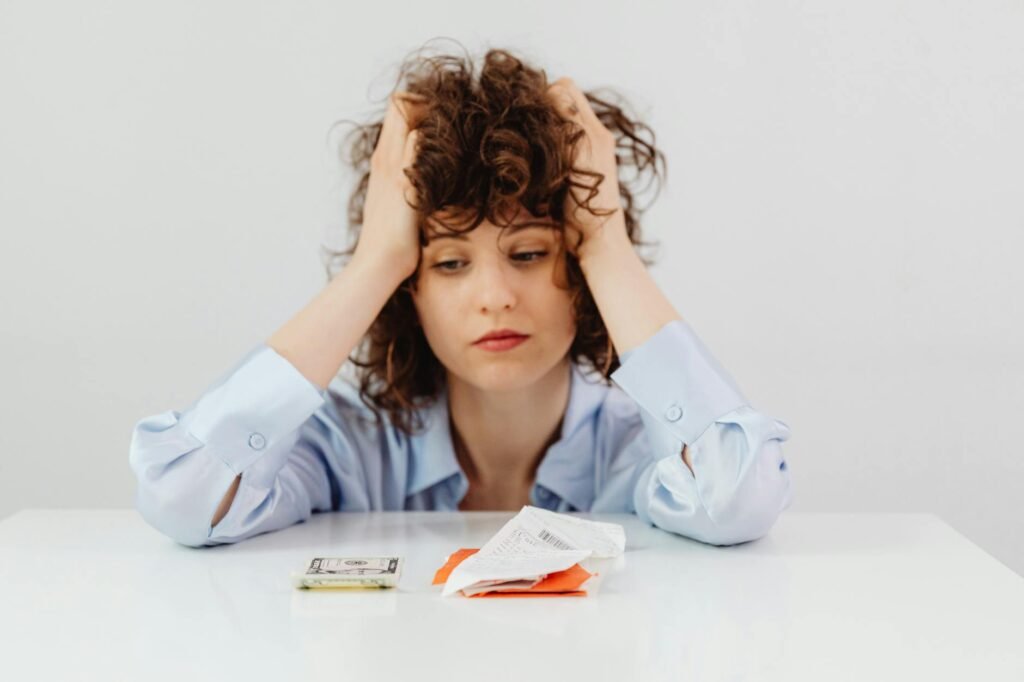
Consider Rina and Mark, who say they go to bed at 11:00 p.m. In practice, they finish kitchen cleanup at 10:40, answer messages in bed until midnight, and order a $16 dessert delivery twice a week because they are still awake and want a reward. Rina also buys a $5 coffee four mornings a week to compensate, and they spend $18 a month on sleep gummies. That adds up to about $242 a month in sleep-adjacent spending. Even if only half of that spending is tied to a shaky bedtime routine, that is roughly $121 a month. The bigger issue is not the exact dollar amount. It is that poor sleep often shows up in a budget as convenience spending, not just fatigue.
Common mistakes that quietly wreck the routine
- Letting chores expand until bedtime. A routine works better when the last hour is protected instead of treated like overflow time.
- Keeping the phone within arm’s reach. Official guidance says to turn devices off before bed and consider keeping electronics out of the bedroom. (cdc.gov)
- Using alcohol as a sleep shortcut. It may make you drowsy, but NHLBI notes that it can lead to lighter sleep and more waking. (nhlbi.nih.gov)
- Treating weekends like jet lag practice. A big Friday or Saturday drift can make Sunday night miserable, which is why NHLBI recommends keeping the weekend difference to about an hour. (nhlbi.nih.gov)
- Trying to out-nap a bad night. If nighttime sleep is the target, keep naps short and earlier in the day. NHLBI says adults should nap for no more than 20 minutes if nighttime sleep is a problem. (nhlbi.nih.gov)
- Buying several sleep products before measuring the problem. A two-week diary usually gives clearer clues than a panic purchase. (nhlbi.nih.gov)
When better habits still are not enough
A cleaner bedtime routine will not fix every sleep problem. Talk with a clinician if you still have trouble falling or staying asleep after making routine changes, if daytime sleepiness affects work or driving, or if you have frequent loud snoring, gasping, pauses in breathing, or leg sensations that keep you up. NHLBI says insomnia is considered chronic when it happens at least 3 nights a week for 3 months or longer, and CBT-I is usually the first treatment option for long-term insomnia. (odphp.health.gov)
- If you work shifts, keep caffeine to the first part of the shift, use bright light at work, and block light and noise during daytime sleep. NHLBI includes these as shift-work strategies. (nhlbi.nih.gov)
- If you have a newborn, caregiving duties, or a partner with a very different schedule, protect what you can: a consistent wake time, a device cutoff, and one repeatable wind-down cue.
- If pain, reflux, menopause, anxiety, depression, or medication side effects may be involved, bring a 1- to 2-week sleep diary to your appointment so the clinician can see patterns instead of guesses. (nhlbi.nih.gov)
How to verify that the advice is actually working
- Keep a sleep diary for 14 days. Log bedtime, wake time, naps, caffeine, alcohol, exercise, device use near bedtime, and how sleepy you feel the next day. NHLBI specifically recommends a 1- to 2-week diary. (nhlbi.nih.gov)
- Hold wake time steady, including weekends as much as possible. (nhlbi.nih.gov)
- Score your Bedtime Runway Audit each night for the same 14 days. You are looking for a trend, not a perfect score on night one.
- Measure the outcomes that matter: how long it takes to fall asleep, how often you wake up, how rested you feel in the morning, and whether daytime sleepiness is still a problem. (nhlbi.nih.gov)
- If your routine improves but you still only give yourself 6 hours in bed, the real problem may be schedule math. Most adults need at least 7 hours, and many need more than the minimum to feel good. (cdc.gov)
This verification step matters because sleep routines fail quietly. People think nothing is working when the routine changed for three nights, disappeared on Thursday, and got blown up on the weekend. Two weeks of notes will usually tell you whether the problem is consistency, environment, chemistry, or something that needs medical attention. (nhlbi.nih.gov)
The bottom line
The bedtime routine mistake that makes good sleep feel impossible is starting the routine too late. Sleep often gets easier when the last hour is less bright, less busy, less chemical, and more predictable. Build the runway first, track it for two weeks, and then decide whether anything still needs to be bought or medically evaluated. (nhlbi.nih.gov)
FAQ
What if late at night is the only time I get to myself?
Keep some quiet time if you need it, but move it earlier when possible. If that is not realistic, protect the last 30 to 60 minutes before bed as low-light and low-stimulation time, and keep your wake time steady. The target is not a perfect evening. It is a repeatable landing strip. (nhlbi.nih.gov)
Should I take melatonin every night?
Do not assume it is a harmless default. NHLBI says research has not proven melatonin to be an effective treatment for insomnia, and it notes possible side effects such as daytime sleepiness, headaches, upset stomach, and worsening depression. Talk with a clinician before using supplements or OTC sleep aids regularly. (nhlbi.nih.gov)
Is reading in bed okay?
If sleep has become a struggle, it may help to be stricter for a couple of weeks. ODPHP advises avoiding reading in bed, and NHLBI’s CBT-I guidance is built around linking the bed with sleep. A practical rule: if reading reliably turns into a 45-minute delay or leads to phone use, move it to a chair. That last sentence is an editorial inference based on the bed-sleep link. (odphp.health.gov)
What should I do if I wake up at 3 a.m. and cannot get back to sleep?
If you have been awake for about 20 minutes, get out of bed and do something relaxing in low light until you feel sleepy again. That is usually more useful than staying in bed and getting frustrated. (odphp.health.gov)
When is this no longer just a routine problem?
See a clinician if sleep trouble continues after you clean up the routine, if daytime sleepiness is affecting work or driving, or if you have loud snoring, gasping, pauses in breathing, or other signs of a sleep disorder. Trouble sleeping at least 3 nights a week for 3 months or longer is chronic insomnia territory and deserves a proper evaluation. (odphp.health.gov)
References
- CDC: About Sleep – https://www.cdc.gov/sleep/about/index.html
- CDC NCHS Data Brief: Short Sleep Duration and Sleep Difficulties Among Adults, United States, 2024 – https://www.cdc.gov/nchs/products/databriefs/db559.htm
- NHLBI: Healthy Sleep Habits – https://www.nhlbi.nih.gov/health/sleep-deprivation/healthy-sleep-habits
- NHLBI: Insomnia Treatment – https://www.nhlbi.nih.gov/health/insomnia/treatment
- NHLBI: Insomnia Diagnosis – https://www.nhlbi.nih.gov/health/insomnia/diagnosis
- NHLBI: Sleep Diary – https://www.nhlbi.nih.gov/resources/sleep-diary
- ODPHP MyHealthfinder: Get Enough Sleep – https://odphp.health.gov/myhealthfinder/healthy-living/mental-health-and-relationships/get-enough-sleep
- NHLBI Sleep Brochure PDF – https://www.nhlbi.nih.gov/sites/default/files/publications/Sleep_Brochure_0.pdf