
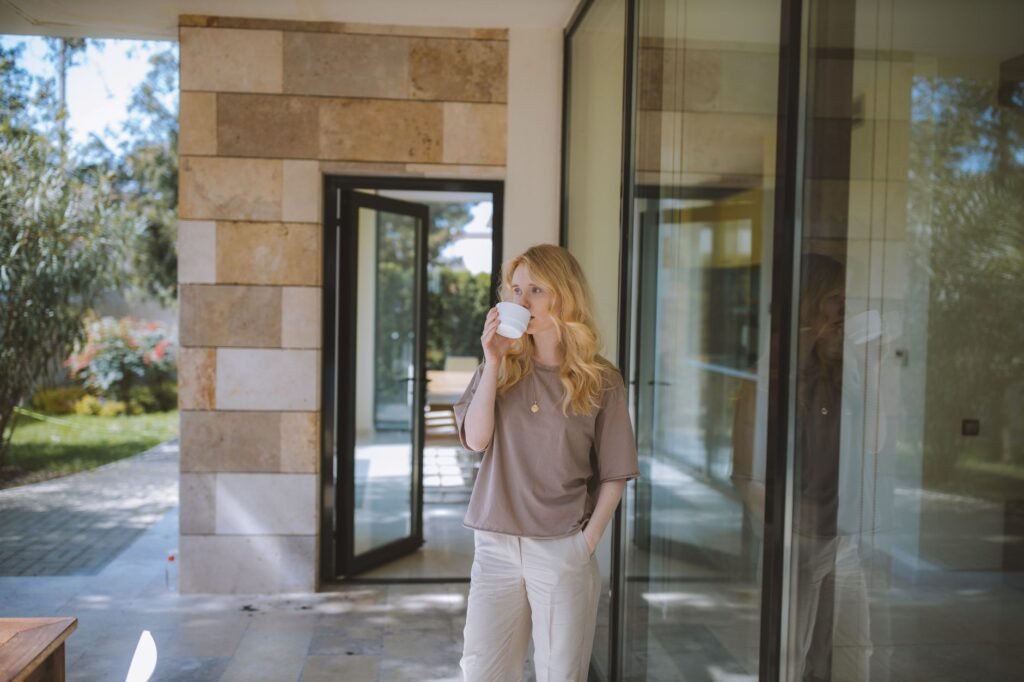
If bedtime feels like a negotiation every night, the lever you may be missing is not another nighttime product. It may be light in the morning. The CDC recommends getting enough natural light, especially earlier in the day, and the NHLBI explains that light and darkness are cues that help tell your brain when to feel awake and when to feel drowsy. (cdc.gov)
That makes morning light unusually useful for a budget-minded reader. It costs little or nothing, fits into routines you already have, and targets sleep timing instead of trying to knock you out at night. It is not a cure-all, but it is often a smarter first test than buying another supplement, alarm, or gadget. (cdc.gov)
TL;DR
- Get outside within the first hour after you wake if you can. NIOSH notes the circadian system is especially sensitive to light around an hour after usual wake time, and the CDC specifically recommends natural light earlier in the day. (archive.cdc.gov)
- Open sky beats kitchen-window light. Research on workers suggests indoor daytime light exposure is often far weaker and less consistent than outdoor exposure. (pubmed.ncbi.nlm.nih.gov)
- Keep weekends close to weekdays and dim bright light before bed. The NHLBI says to limit the weekday-weekend difference to about an hour and avoid bright artificial light before sleep. (nhlbi.nih.gov)
- If this habit does not help after a solid two-week trial, or if you have chronic insomnia or sleep-apnea symptoms, move beyond sleep-hygiene tips and get proper care. (nhlbi.nih.gov)
Why the sleep fix starts in the morning
Your circadian rhythm is a 24-hour timing system. The NHLBI explains that the light-dark cycle influences melatonin, which rises in the evening, and that exposure to more light as the sun rises is tied to signals that help your body wake up. The same source notes that bright artificial light late in the evening can interfere with that process and make it harder to fall asleep. (nhlbi.nih.gov)
There is no single federal rule for exactly how many outdoor minutes everyone needs. A practical starting point is 10 to 15 minutes outside on a bright morning and 20 to 30 minutes when it is cloudy, winter-dark, or you are mostly in shade. That is an editorial rule of thumb, not a formal medical guideline. It is inferred from bright-light studies showing morning exposure can advance circadian timing, from NIMH guidance that therapeutic light boxes are often used for 30 to 45 minutes first thing in the morning, and from evidence that indoor workers often get much weaker daytime light than outdoor workers. (pubmed.ncbi.nlm.nih.gov)
The goal is daylight reaching your eyes, not sun-gazing. You do not need to stare at the sun, and you should not. The National Eye Institute warns that the sun’s UV rays can damage the eyes. A sidewalk, porch, driveway, dog walk, or school-drop-off line is enough if you are actually outside. (nei.nih.gov)
The First-Hour Light Audit
Before you purchase an item, use this scorecard and rate yourself 0 through 2 on all of the categories listed above. You’re not trying to achieve perfection here – rather, you’re looking for the weakest link in a behaviour that may appear to be simple, but too frequently is performed too late, too briefly or too inconsistently.
- Timing: 2 points if you get outside within 60 minutes of waking; 1 point if it happens within 2 hours; 0 if it usually happens later. The first-hour target lines up with CDC and NIOSH guidance on early-day light. (cdc.gov)
- Brightness: 2 points if you are outdoors under open sky; 1 point if you are on a bright porch or by a very bright window; 0 if you stay indoors. Daytime indoor light is often much weaker than outdoor light. (pubmed.ncbi.nlm.nih.gov)
- Minutes: 2 points if you usually get 10 to 15 bright minutes or 20 to 30 cloudy minutes; 1 point if you get roughly half that; 0 if it is just a quick dash to the car. This is a practical starting target, not a formal guideline. (pubmed.ncbi.nlm.nih.gov)
- Consistency: 2 points if you do it 5 to 7 days a week and keep weekends within about an hour of weekdays; 1 point if you do weekdays only; 0 if your schedule swings widely. (nhlbi.nih.gov)
- Night protection: 2 points if you also dim bright light in the last 2 hours before bed; 1 point if you do this some nights; 0 if evenings are brightly lit and screen-heavy. (archive.cdc.gov)
If your score falls within the 8 to 10 range, your results are showing that you are conducting a legitimate trial of the practice. If your score falls within the 5 to 7 range, this indicates that there may not have been enough consistent use of the practice to deliver a meaningful result. If you scored between 0 and 4, you likely haven’t provided enough time, light intensity, or repetition of the morning sunlight to get an accurate result.
A realistic two-week reset
Consider a composite example. Danielle, 38, wakes at 6:20 a.m. on workdays, closer to 8:45 a.m. on weekends, and usually stays indoors until her commute. She has started spending about $24 a month on sleep gummies and is close to buying a $120 gadget because she is still awake at 11:15 p.m. most nights. Her reset is not fancy: 12 minutes outside with coffee at 6:35, a short walk during her child’s school drop-off, weekends no later than 7:15, and dimmer kitchen lighting after 8:45.
This is a proper order of operations. First she will spend 14 days testing the free lever before purchasing anything else. If her sleepiness occurs sooner at night and the time it takes for her to fall asleep has decreased substantially, then fantastic. Otherwise, she now has clearer proof that her next step could either be an evaluation by a doctor or redeeming CBT-I instead of making another impulse purchase.
Which version of the habit fits your morning?
| If your morning looks like this | Best move | Time target | Cash cost | Watch-outs |
|---|---|---|---|---|
| Desk job and early commute | Take coffee, the dog, or your first phone call outside before you get in the car or open the laptop. (cdc.gov) | 10 to 15 minutes if bright; 20 to 30 if cloudy. Practical starting target. (pubmed.ncbi.nlm.nih.gov) | $0 | If nights are still bright and screen-heavy, the morning habit may underperform. (nhlbi.nih.gov) |
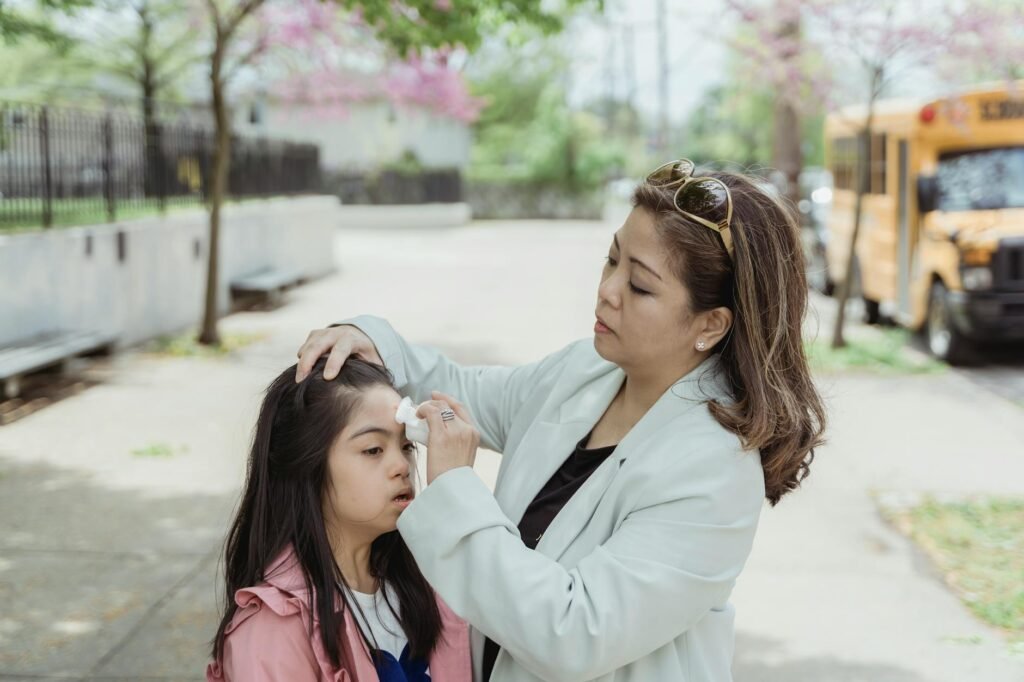
| Parent on school duty | Stand and walk outside during drop-off instead of sitting in the car line when possible. (nhlbi.nih.gov) | 10 to 20 minutes total can be enough to start the test. (pubmed.ncbi.nlm.nih.gov) | $0 | Weekend sleep-ins that run 2 or more hours later can cancel some of the benefit. (nhlbi.nih.gov) |
| Apartment dweller or office worker | Use the stoop, balcony, roof deck, bus stop, or a quick loop around the block. Open sky matters more than scenery. (pubmed.ncbi.nlm.nih.gov) | 15 to 30 minutes is a sensible target if the light is indirect or the sky is gray. (pubmed.ncbi.nlm.nih.gov) | $0 | A sunny window is better than nothing, but it is usually not the strongest version of the habit. (pubmed.ncbi.nlm.nih.gov) |
| Very dark winter mornings or sunrise comes late | Get outside when daylight is available. If that is not feasible for long stretches, ask a clinician about a 10,000-lux light box used first thing in the morning. (nimh.nih.gov) | Light box sessions are often 30 to 45 minutes; outdoor daylight timing still matters when possible. (nimh.nih.gov) | Varies | Use caution with certain eye diseases, light-sensitive medicines, and mania risk. (nimh.nih.gov) |
| Night shift or rotating shifts | Do not assume sunrise exposure is the right answer after a night shift. Shift workers often need a different light strategy and a very dark bedroom for daytime sleep. (nhlbi.nih.gov) | Individualized | Low to varies | If your schedule rotates often or daytime sleep is failing, move quickly to clinician advice. (nhlbi.nih.gov) |
Build the habit in one week
- Set a wake window before you set a bedtime goal. The NHLBI recommends keeping your sleep schedule steady and limiting the weekday-weekend difference to about an hour. (nhlbi.nih.gov)
- Attach the light habit to something that already happens every morning: coffee, the dog, a school run, the mailbox, or a short walk around the block.
- Go outside, not just toward a bright room. You do not need exercise intensity here. You need outdoor light exposure, and you should not stare at the sun. (pubmed.ncbi.nlm.nih.gov)
- Stay out long enough for the conditions. Use 10 to 15 bright minutes or 20 to 30 cloudy minutes as a practical starting target. If you wake before sunrise, get outdoor light later in the morning rather than skipping it. (pubmed.ncbi.nlm.nih.gov)
- Protect the other end of the day. NIOSH and the NHLBI both advise dimming bright light before bed, and the NHLBI notes caffeine can interfere with sleep for up to 8 hours. (archive.cdc.gov)
- Run the plan for 14 days and keep a sleep diary. The NHLBI recommends a 1- to 2-week diary before care visits because it helps show whether habits are affecting sleep. (nhlbi.nih.gov)
Common mistakes that make the habit look useless
- Treating a sunny window as the same thing as going outside. It is better than total darkness, but it is often not as strong or consistent as outdoor daylight. (pubmed.ncbi.nlm.nih.gov)
- Doing the habit only on perfect-weather days. The NHLBI’s sleep advice is built around regularity, not ideal conditions. (nhlbi.nih.gov)
- Sleeping far later on weekends and expecting Monday night to feel normal. The NHLBI specifically warns that late weekends can disrupt your sleep-wake rhythm. (nhlbi.nih.gov)
- Trying to out-light a bright evening. The NHLBI says evening bright light can delay melatonin, and NIOSH advises dimming lights in the last 2 hours before bed. (nhlbi.nih.gov)
- Assuming the habit should fix untreated sleep apnea, chronic insomnia, or night-shift misalignment by itself. Those problems often need more than a lifestyle tweak. (nhlbi.nih.gov)
- Starting a light box casually even though you have eye disease, take medicines that increase light sensitivity, or have a history of mania symptoms. (nimh.nih.gov)
When the morning plan is not enough
Morning light is a timing tool, not a complete sleep treatment. If you have trouble falling or staying asleep at least 3 nights a week and it has lasted 3 months or longer, the NHLBI says you may be in chronic-insomnia territory. If you snore loudly, stop breathing, or wake up gasping, sleep apnea moves higher on the list. Shift workers also face schedules that conflict with the body’s internal clock, which means standard sunrise advice may not fit. (nhlbi.nih.gov)
- Tighten schedule drift first: same wake time, smaller weekend swings, darker evenings. (nhlbi.nih.gov)
- Review caffeine, nicotine, alcohol, pain, and late-device habits honestly. The NHLBI notes caffeine can interfere with sleep for up to 8 hours. (nhlbi.nih.gov)
- Ask about CBT-I if insomnia is sticking around. The ACP calls CBT-I the first-line treatment for adults with chronic insomnia, and the AASM strongly recommends multicomponent CBT-I while noting that sleep hygiene alone should not be used as the only therapy. (acponline.org)
- If daylight is genuinely unavailable for long stretches, ask a clinician whether a morning light box is appropriate. NIMH notes that 10,000-lux light boxes are commonly used for about 30 to 45 minutes first thing in the morning and are not right for everyone. (nimh.nih.gov)
How to verify that the habit is working
Use a 14-night pressure test, not a vibe. The NHLBI recommends keeping a 1- to 2-week sleep diary and recording sleep timing and daytime habits that may affect sleep. That gives you something better than memory, which is usually unreliable when you are tired. (nhlbi.nih.gov)
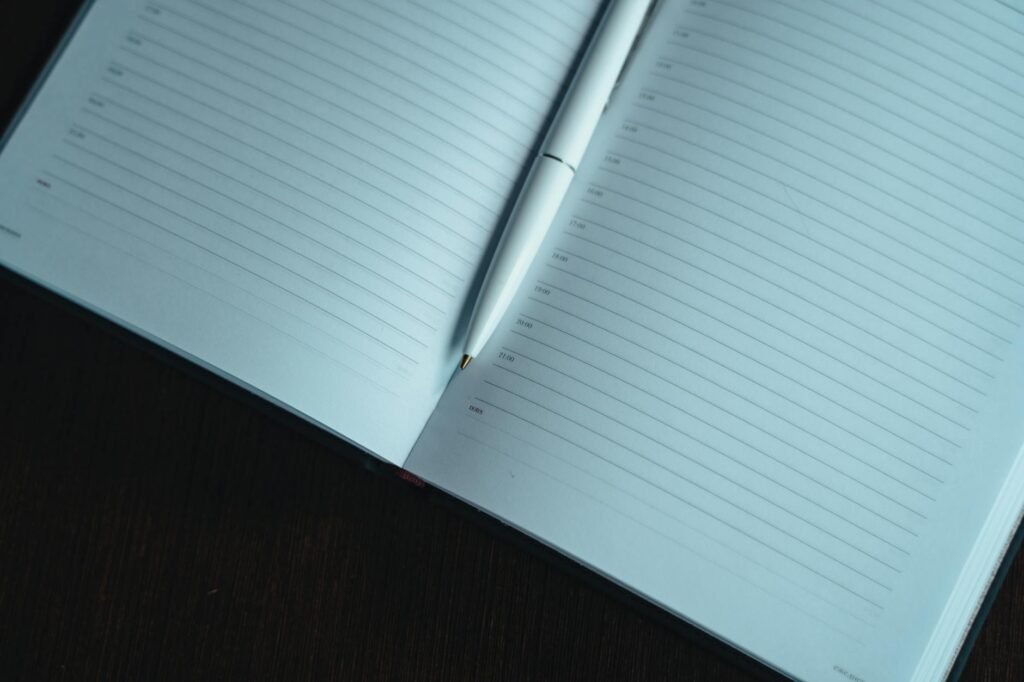
- Track wake time, the time you first got outside, and how many minutes you stayed there.
- Track bedtime, estimated minutes to fall asleep, awakenings, and final wake time. (nhlbi.nih.gov)
- Note late caffeine, alcohol, bright screens, and weekend sleep-ins, because each can muddy the result. (nhlbi.nih.gov)
- It is important to compare the time taken from day 1 compared to day 3. If you have noticed that you may be falling asleep faster by 15-30mins earlier, you should continue with the better results you are experiencing. If your results show a higher rating, meaning your sleep may have been worse. Then try seeing your clinician if it continues to show no results after 2-3 consecutive weeks of doing this first or using back up options for failure cases.
Bottom line
For many people, the cheapest sleep intervention is not a bedtime purchase. It is daylight soon after waking, repeated most days, paired with darker evenings and a steadier schedule. That approach lines up with CDC and NHLBI guidance on natural light, regular sleep timing, and limiting bright light before bed. If it helps, you may save money and solve a real problem. If it does not, you have still run the right low-cost test before moving on to more involved treatment. (cdc.gov)
How soon after waking should I get morning light?
As a practical target, aim for the first hour after waking. NIOSH notes the circadian system is especially sensitive to light around an hour after usual wake time, and the CDC recommends natural light earlier in the day. If life gets messy, later morning light is still better than none. (archive.cdc.gov)
Does light through a window count?
It counts some, but it is usually not the strongest version of the habit. Research on worker light exposure suggests indoor daytime light is often much weaker than outdoor light, which is why stepping outside usually works better. (pubmed.ncbi.nlm.nih.gov)
What if it is cloudy, cold, or still dark when I wake up?
Stay out longer when conditions are dim, and get outside later in the morning if sunrise has not happened yet. If daylight is hard to access for long stretches, ask a clinician whether a morning light box makes sense. NIMH notes that 10,000-lux light boxes are commonly used for about 30 to 45 minutes first thing in the morning. (nimh.nih.gov)
Can I use a light box instead of sunlight?
Sometimes, yes, especially in dark winters or when your schedule makes daylight hard to get. But it is not a casual swap for everyone. NIMH says people with certain eye diseases or medicines that increase light sensitivity may need medical supervision, and mania can be a rare side effect. (nimh.nih.gov)
How long should I try this before deciding it is not enough?
Give it a real 14-day trial with a sleep diary and a steady wake time. If you do that and still have trouble, especially if symptoms affect daily function, move to a clinician or CBT-I rather than endlessly tweaking sleep hygiene. (nhlbi.nih.gov)
When should I see a doctor instead of trying to self-fix this?
See a clinician sooner if you have insomnia at least 3 nights a week for 3 months or more, loud snoring, breathing pauses, gasping, major daytime sleepiness, or a work schedule that repeatedly forces overnight wakefulness. Those patterns can point to insomnia disorder, sleep apnea, or shift-work problems that need more than a morning habit. (nhlbi.nih.gov)
References
- CDC: About Sleep and Your Heart Health – https://www.cdc.gov/heart-disease/about/sleep-and-heart-health.html
- NHLBI: How Sleep Works – Your Sleep/Wake Cycle – https://www.nhlbi.nih.gov/health/sleep/sleep-wake-cycle
- NIOSH: Effects of Light on Circadian Rhythms – https://archive.cdc.gov/www_cdc_gov/niosh/emres/longhourstraining/light.html
- NHLBI: Sleep Deprivation and Deficiency – Healthy Sleep Habits – https://www.nhlbi.nih.gov/health/sleep-deprivation/healthy-sleep-habits
- NIMH: Seasonal Affective Disorder – https://www.nimh.nih.gov/health/publications/seasonal-affective-disorder
- PubMed: Phase advancing human circadian rhythms with morning bright light, afternoon melatonin, and gradually shifted sleep? – https://pubmed.ncbi.nlm.nih.gov/25620199/
- PubMed: Behavioral and psychological treatments for chronic insomnia disorder in adults – https://pubmed.ncbi.nlm.nih.gov/33164742/
- ACP: CBT-I as Initial Treatment for Chronic Insomnia – https://www.acponline.org/acp-newsroom/acp-recommends-cognitive-behavioral-therapy-as-initial-treatment-for-chronic-insomnia
- NHLBI: Insomnia Diagnosis – https://www.nhlbi.nih.gov/health/insomnia/diagnosis
- NHLBI: Sleep Apnea Symptoms – https://www.nhlbi.nih.gov/health/sleep-apnea/symptoms
- National Eye Institute: Protecting your eyes from the sun’s UV light – https://www.nei.nih.gov/about/news-and-events/news/protecting-your-eyes-suns-uv-light